
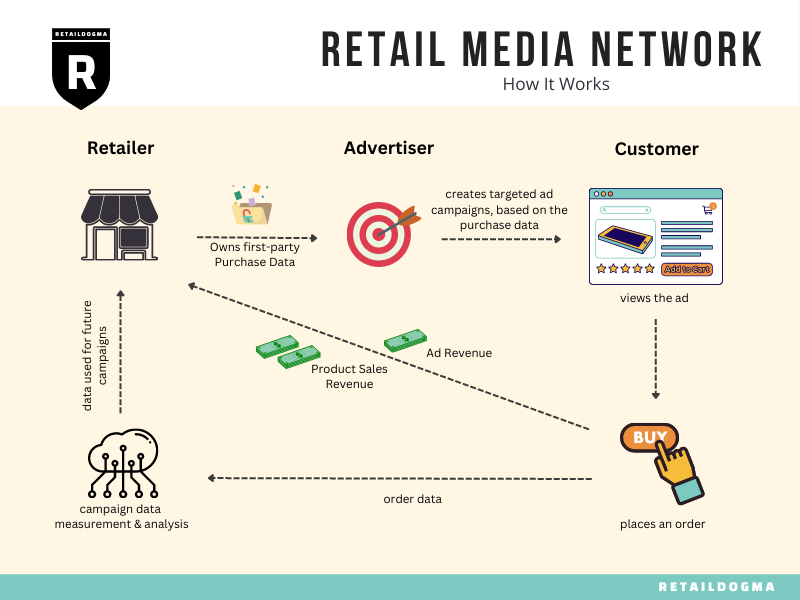
Retail media has rapidly become one of the most influential channels in the marketing ecosystem, giving brands direct access to shoppers at the exact moment purchase decisions are made. This shift is forcing marketers to rethink traditional marketing mix models (MMMs), which were originally built for a slower, less fragmented media landscape. To remain useful, MMMs now need to evolve to capture the speed, complexity, and granularity of retail media.
The Limitations of Traditional Marketing Mix Models
Historically, MMMs helped marketers understand how different channels contributed to sales by analyzing aggregated data over long periods of time. While this approach worked well in traditional media environments, it struggles to keep up with the real-time dynamics of modern retail media ecosystems.
According to research from the MediaLink Marketing Mix Modeling Report, only about 10% of senior marketing leaders say they feel “very confident” in their marketing mix models’ ability to measure incremental impact across channels. Even more concerning, roughly half of surveyed brands reported that their MMM frameworks do not adequately account for investments in retail media and digital commerce, despite these being among the fastest-growing advertising categories.
Integrating Advanced Analytics and Machine Learning
To address these limitations, many organizations are modernizing their MMM frameworks using advanced analytics and machine learning. Research highlighted in Google’s Meridian Marketing Mix Model initiative explores how transformer-based neural networks can better capture complex relationships between media investments and sales outcomes.
These models use advanced embeddings to represent both quantitative inputs—like ad spend and impressions—and qualitative factors such as channel type or campaign context. This allows marketers to better understand how different touchpoints interact with one another across the customer journey.
Embracing Real-Time Data and Causal Inference
Another major evolution in MMM is the integration of real-time data and causal modeling. Retail media generates large volumes of transaction-level and behavioral data, making it possible to move beyond correlation-based measurement.
Frameworks such as DeepCausalMMM research on causal marketing analytics combine deep learning with causal inference techniques. These models often use architectures like Gated Recurrent Units (GRUs) to capture temporal trends and Directed Acyclic Graphs (DAGs) to model causal relationships between marketing activity and sales performance. The result is a more accurate understanding of which marketing actions truly drive incremental results.
Practical Applications and Industry Adoption
Large brands and retailers are already adopting these next-generation measurement approaches. Insights from McKinsey’s analysis of the retail media market highlight how global consumer brands are deploying advanced MMM frameworks to evaluate advertising and promotional performance across multiple markets.
In one case, a luxury beauty and fragrance group implemented customized MMM models to analyze advertising effectiveness across several brands and countries. The initiative generated approximately €25 million in additional quarterly revenue and achieved a return on ad spend (ROAS) of roughly 4:1.
Conclusion
Retail media is reshaping how brands reach consumers, and measurement frameworks must evolve accordingly. Traditional marketing mix models are no longer sufficient on their own. By integrating machine learning, causal inference, and real-time data analysis, modern MMMs can deliver the granular insights brands need to optimize performance in increasingly complex retail ecosystems.
As retail media networks continue to grow, marketers who invest in more advanced and adaptive measurement strategies will be far better positioned to understand performance, allocate budgets effectively, and drive sustained growth.
